Epidemiological Assessments of Gastrointestinal parasites in Clarias gariepinus (Burchell, 1822) : Implication for aquaculture sustainability and Public health concerns
Mots-clés :
Gastrointestinal, Morphometric, Parasites, Public health, Sustainability, ZoonosisRésumé
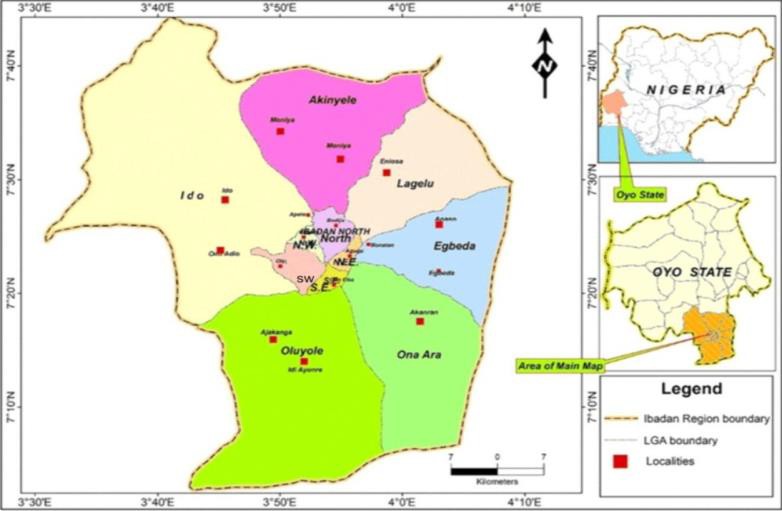
Gastrointestinal parasites had significantly affected the health and productivity of C. gariepinus.Equally, posing food safety risks, making parasitological assessment essential for sustainable aquaculture and public health concerns. In this study, 405 specimens of C. gariepinus, comprising 201 females and 204 males were examined. Infection prevalence was 14.4% in females and 18.6% in males, with no significant sex-related difference (p > 0.05). Among parasite groups, Platyhelminthes had the highest prevalence (6.2%), followed by Nematoda (5.2%) and Protozoa (4.7%), whereas Acanthocephala was least prevalent (0.5%). At the genus level, Oodiniumsp was the most prevalence protozoan (1.73%), and Henneguyasp as the least (0.25%) . Wenyoniasp (1.23%) and Camallanussp (1.23%) dominanted the platyhelminthes and nematode respectively, with no significant differences observed across the groups (p > 0.05). Parasite prevalence was also investigated across biometric and gravimetric parameters. Fish of < 30.0cm standard lenght had 20.0% prevalence, and those exceeding 50.0cm recorded 25.5%. Also those with intestinal length of >40.0cm had the highest prevalence (20,8%). In terms of weight, fish of >400.0 g had 22.1%, while those with intestinal weight <10.0g recorded 17.9% while those with gill weights of >20.0g had 19.8% with no significant variations across the parameters. Overall, gastrointestinal parasite prevalence was low, indicating good health status of the fish, effective management practices and favourable environmental conditions that reduce risks to aquaculture productivity and zoonotic transmission, supporting sustainable development goals. Nevertheless, continuous monitoring is recommended to minimize potential future outbreaks influenced by changes in environment conditions and management practices.
Publiée
Numéro
Rubrique
Licence
(c) Copyright CC BY-NC-ND 4.0 2026

Ce travail est disponible sous licence Creative Commons Attribution - Pas d'Utilisation Commerciale - Pas de Modification 4.0 International.
Moroccan Journal of Biological Sciences (MJBS) is an international, peer-reviewed, open-access scientific journal publishing original research articles, review articles, and short communications in biological, biomedical, environmental, and related life sciences. The journal provides free access to its published articles and charges no article processing fees.